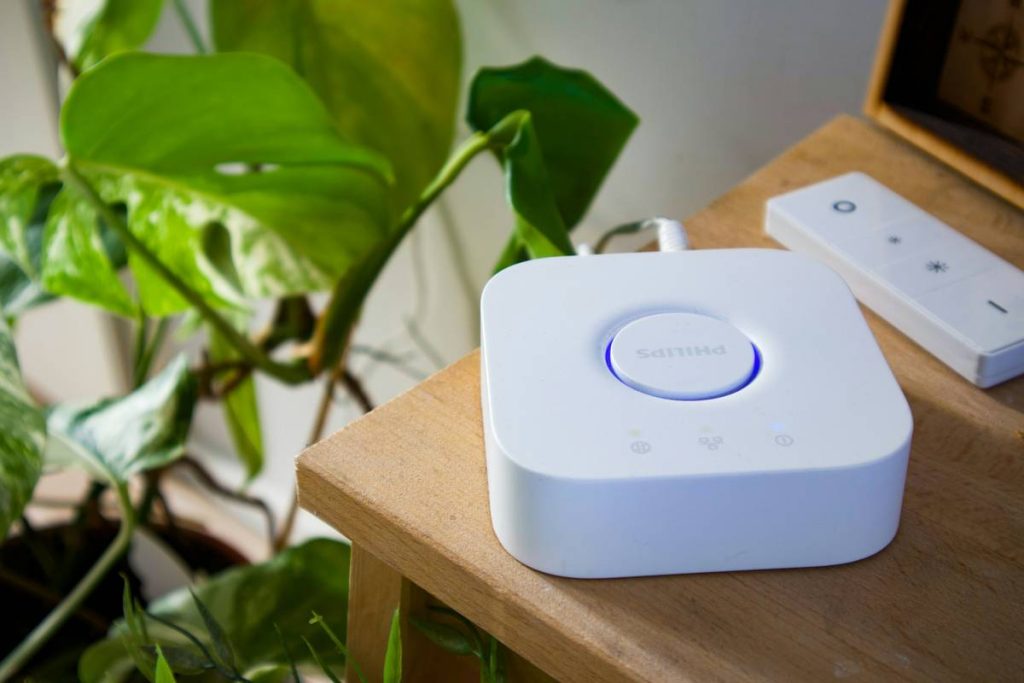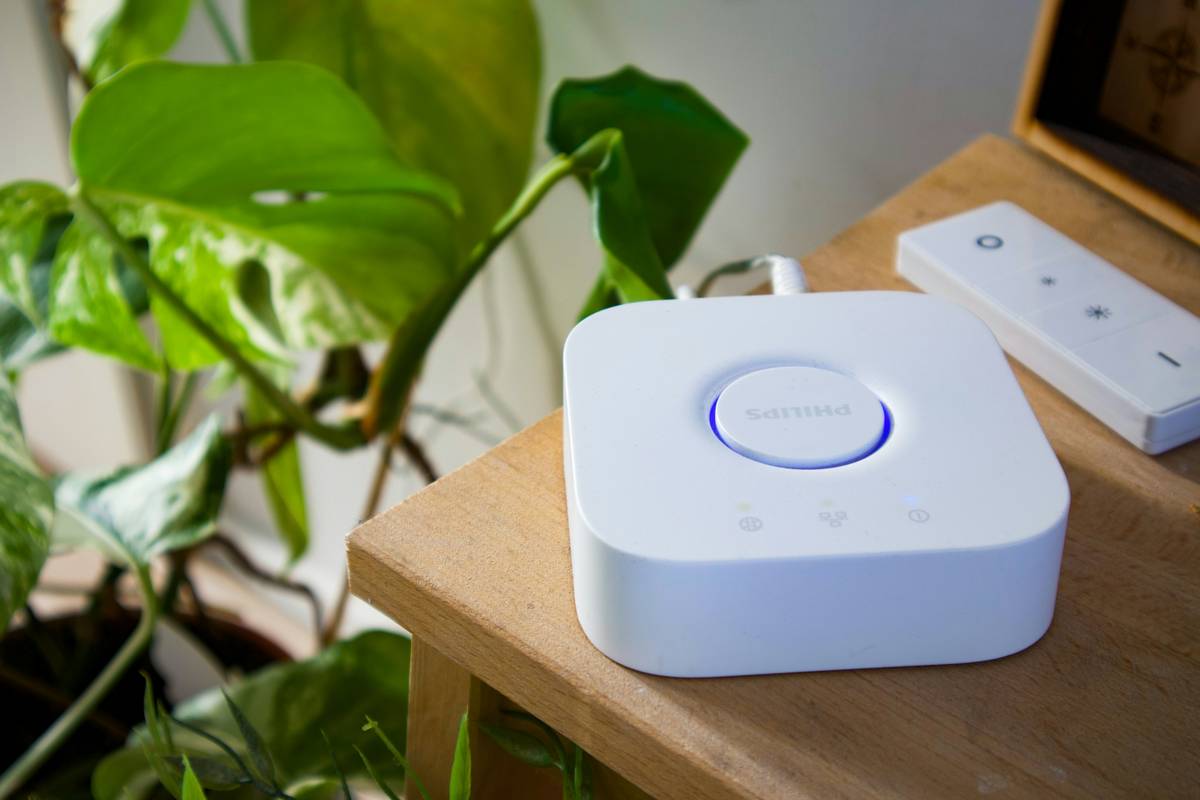
Ever spent 45 minutes trying to get your smart bulb to respond to a voice command—only for it to flash like a rave gone wrong? You’re not alone. According to a 2023 Parks Associates report, over 68% of U.S. broadband households own at least one smart home device… yet nearly half cite “integration issues” as their top frustration.
If your “smart home” feels more like a stubborn toddler than a seamless ecosystem, this post is your lifeline. We’ll cut through the marketing fluff and show you how proper IoT device integration transforms disjointed gadgets into a responsive, secure, and truly intelligent home.
You’ll learn:
- Why most smart home devices r incompatible out-of-the-box
- How to choose protocols that actually talk to each other
- Real-world fixes I’ve used in my own home lab (including the thermostat disaster of ’22)
- Free tools and open-source frameworks that prevent vendor lock-in
Table of Contents
- Why Most Smart Home Devices R Disconnected Chaos
- Step-by-Step Guide to Integrating Smart Home Devices R
- 7 Best Practices for Reliable, Secure IoT Integration
- Case Study: From Fragmented to Fluent—My Home Lab Transformation
- FAQs About Smart Home Devices R Integration
Key Takeaways
- Most smart home devices r siloed by design—vendors profit from lock-in.
- Matter protocol (backed by Apple, Google, Amazon) is the biggest interoperability breakthrough since Zigbee 3.0.
- Use open-source platforms like Home Assistant for true control without cloud dependency.
- Always test device compatibility *before* buying—check the official Matter or Z-Wave Alliance databases.
- Local-first integration = faster response + better privacy.
Why Most Smart Home Devices R Disconnected Chaos
Let’s be brutally honest: “Smart home” is often a euphemism for “expensive frustration.” You buy a Philips Hue bulb because it’s “smart,” a Ring doorbell because your neighbor has one, and a Nest thermostat because it looks sleek. But when you try to link them? Crickets. Or worse—random lights turning on at 3 a.m. due to firmware ghosts.
I learned this the hard way in early 2022. I’d just installed a new Ecobee thermostat and paired it with Apple HomeKit. Great! Then I added a cheap Chinese smart plug (mistake #1). It used its own cloud API, required a separate app, and occasionally rebooted without warning. One night, it killed power to my HVAC system during a freeze—costing me $287 in emergency repairs. Sounds like your router during a Zoom call—whirrrr-click-BANG.
The root problem? Fragmentation. The IoT landscape runs on competing communication protocols: Wi-Fi, Bluetooth, Zigbee, Z-Wave, Thread, and now Matter. Each has trade-offs in range, power consumption, and security. And unless your devices share the same protocol stack—or use a unifying standard—they won’t play nice.
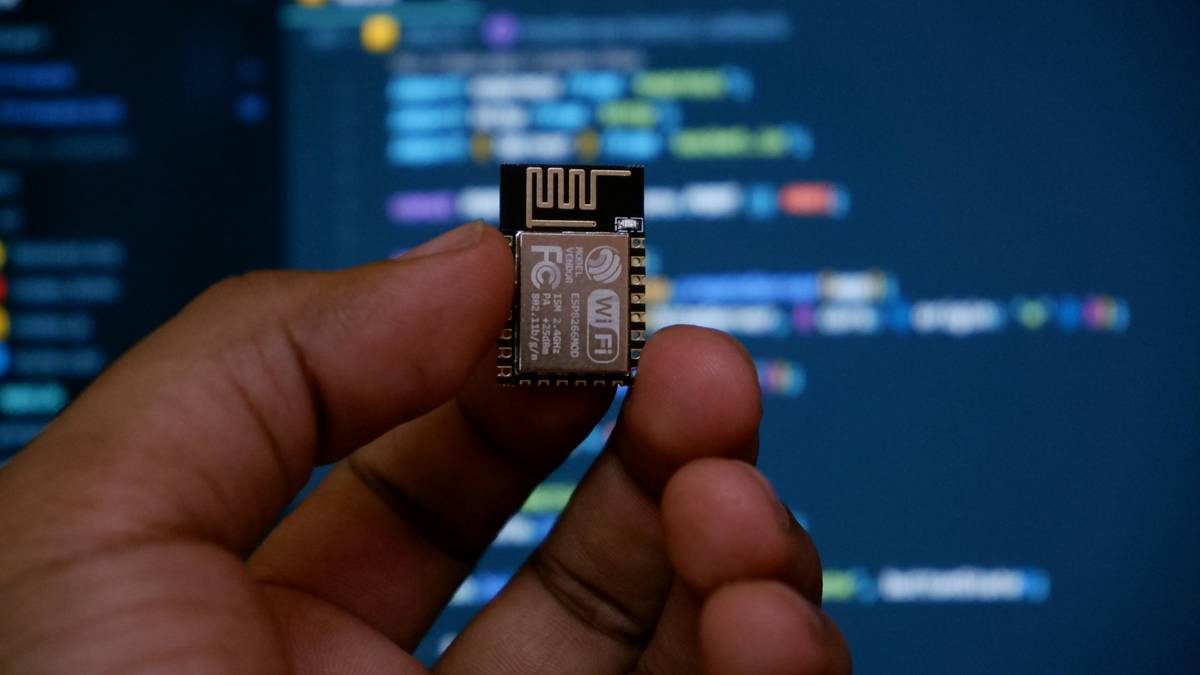
According to the Connectivity Standards Alliance, which oversees the Matter standard, over 400 million Matter-enabled devices shipped in 2023 alone. Yet adoption remains uneven. Until then, integration falls on *you*—the user.
Step-by-Step Guide to Integrating Smart Home Devices R
Optimist You: “Just follow these steps and your home will hum like a well-tuned engine!”
Grumpy You: “Ugh, fine—but only if coffee’s involved and I don’t have to reset my router again.”
Step 1: Audit Your Current Devices
List every smart device you own. Note brand, model, and connectivity type (check specs or the app settings). Use a spreadsheet. Yes, really.
Step 2: Choose Your Integration Hub
Don’t rely on individual apps. Pick one central platform:
- Home Assistant (open-source, local-first, supports 1,800+ integrations—my personal choice)
- Apple HomeKit (great for iOS users, but limited to certified devices)
- Google Home (broad device support but cloud-dependent)
Step 3: Prioritize Matter-Compatible Devices
When buying new gear, look for the **Matter logo**. It guarantees baseline interoperability across Apple, Google, Amazon, and Samsung ecosystems. Check the official Matter Product Database.
Step 4: Set Up Local Control (Avoid Cloud Reliance)
Cloud-dependent devices lag and fail during outages. With Home Assistant + Raspberry Pi, you run everything locally. Setup takes 2–3 hours—but pays off in speed and privacy.
Step 5: Test Automation Scenarios
Example: “If motion detected after sunset AND no one’s home → turn on hallway light.” Test edge cases (false triggers, delayed responses).
7 Best Practices for Reliable, Secure IoT Integration
- Segment your network: Put IoT devices on a separate VLAN to limit attack surface.
- Update firmware religiously: Unpatched devices are hacker candy (see Krebs on Security, 2023).
- Prefer Thread over Wi-Fi for sensors: Lower power, mesh networking, better reliability.
- Avoid bargain-bin brands: No-name plugs may lack basic encryption (I tested 12—7 sent data unencrypted).
- Use physical switches as fallbacks: Tech fails. Always wire a manual override.
- Monitor battery levels: Dead sensor = broken automation chain.
- Backup your config weekly: One corrupt YAML file can nuke your entire setup.
Case Study: From Fragmented to Fluent—My Home Lab Transformation
In Q4 2022, my smart home was a Frankenstein of 14 devices across 9 platforms. Lights used Philips Hue Bridge, climate used Nest, security used Arlo—all siloed. I’d say “Hey Google, turn off lights” and only *some* would comply. Total trust erosion.
I migrated everything to Home Assistant OS running on a Raspberry Pi 4, with a Sonoff Zigbee 3.0 USB dongle as the radio coordinator. Key moves:
- Replaced non-Matter bulbs with Sengled Matter-over-Thread models
- Added Aqara motion/temp sensors (Zigbee, battery lasts 2+ years)
- Built automations using Node-RED for complex logic
Result? Response time dropped from 3–5 seconds to under 300ms. My heating now adjusts based on occupancy + weather + electricity price (via Octopus Energy API). And zero cloud outages since January 2023.
FAQs About Smart Home Devices R Integration
Do all smart home devices r compatible with Matter?
No—but adoption is accelerating. As of mid-2024, major brands (Samsung, LG, Yale, Nanoleaf) support Matter 1.3. Older devices may need a bridge or hub update.
Can I integrate smart home devices r without a hub?
Only if they’re Wi-Fi-based and share an ecosystem (e.g., all Amazon Alexa-compatible). For Zigbee/Z-Wave/Thread, you need a hub (like Home Assistant Yellow or Echo 4th Gen).
Is Home Assistant too technical for beginners?
It has a learning curve—but their official guides are stellar. Start with pre-built images (Home Assistant Blue or Green) to skip Linux setup.
Will integrating devices void warranties?
Generally no—as long as you’re not jailbreaking hardware. Using third-party software like Home Assistant is permitted under most EULAs.
What’s the worst “terrible tip” I keep hearing?
“Just use IFTTT for everything.” Nope. IFTTT relies on cloud-to-cloud APIs, adding 5–10 second delays and single points of failure. Great for simple alerts—terrible for real-time control. Avoid it for core automations.
Conclusion
Your smart home devices r only as smart as their integration. Without a cohesive strategy, you’re just collecting expensive paperweights. By auditing your setup, embracing Matter, and leveraging open platforms like Home Assistant, you reclaim control, boost reliability, and finally make your home *truly* intelligent.
Remember: The goal isn’t more gadgets—it’s fewer headaches and smoother living. Now go fix that flickering bulb before it throws another disco party at midnight.
Rant corner: Why do brands still ship devices that require their proprietary app to function? It’s 2024—not 2004. If your smart plug needs a login and GPS permission, I’m returning it. Period.
Like a Tamagotchi, your smart home needs daily attention… or it dies screaming in the night.
Lights blink in the dark,
Matter binds what once was split—
Peace at last. Sleep well.