Ever tried managing 30 student devices while your smartboard glitches, the Wi-Fi dies mid-demo, and someone’s Raspberry Pi starts blinking like it’s summoning Cthulhu? Yeah. That’s what happens when “smart education” stops at PowerPoint.
The truth? A smart education system using IoT isn’t just about gadgets—it’s about orchestrating seamless, data-driven learning environments that actually adapt to students’ needs. And right now, most schools are stuck in IoT purgatory: cool sensors on shelves, unused APIs rotting in GitHub repos, and teachers manually logging attendance like it’s 1998.
In this post, you’ll learn:
- Why generic “edtech + IoT” buzzwords fail real classrooms
- The 4 core components of a functional smart education system using IoT (with working architecture)
- Real case studies from Seoul to São Paulo showing measurable outcomes
- A brutally honest checklist before you buy your first sensor pack
Table of Contents
- Why Most “Smart Classrooms” Are Just Dumb Rooms with Expensive Lights
- How to Build a Smart Education System Using IoT (Without Burning Out Your IT Team)
- 5 Non-Negotiable Best Practices for IoT in Education
- Real-World Wins: Where IoT Actually Moved the Needle
- Smart Education System Using IoT: FAQs
Key Takeaways
- A smart education system using IoT integrates physical devices (sensors, boards, wearables) with cloud analytics to personalize learning and automate admin tasks.
- Interoperability via standards like MQTT or LwM2M is more critical than raw hardware specs.
- Schools using IoT for environmental monitoring saw 18% fewer sick days (UNESCO, 2023).
- Start small: pilot with one use case (e.g., asset tracking) before scaling to full adaptive learning.
- Privacy-by-design isn’t optional—GDPR and COPPA compliance must be baked in from day one.
Why Most “Smart Classrooms” Are Just Dumb Rooms with Expensive Lights
Let’s confess: I once installed a $2,000 “smart desk” that only tracked how long students sat still. Spoiler: It rewarded kids who napped quietly. Meanwhile, the actual pain points—attendance chaos, unresponsive HVAC choking kids with asthma, lab equipment going missing—went ignored.
This isn’t edtech. It’s ego-tech.
According to UNESCO’s 2023 Global Education Monitoring Report, 68% of IoT deployments in K–12 fail within 18 months because they solve imaginary problems. Teachers aren’t asking for mood-detecting cameras—they need automated roll calls, real-time lab safety alerts, or predictive maintenance on aging projectors.
The core issue? Lack of system integration. Most “smart” setups are Frankensteins: a Google Classroom here, a Zigbee sensor there, a standalone dashboard over there—zero communication between layers.

Optimist You: “Imagine AI tutors adjusting lessons based on biometric feedback!”
Grumpy You: “Ugh, fine—but only if the humidity sensor stops triggering fire alarms during monsoon season.”
How to Build a Smart Education System Using IoT (Without Burning Out Your IT Team)
Forget sci-fi fantasies. Real-world IoT in education thrives on boring reliability. Here’s how to build it right:
What’s the minimal viable architecture?
Start with these four layers:
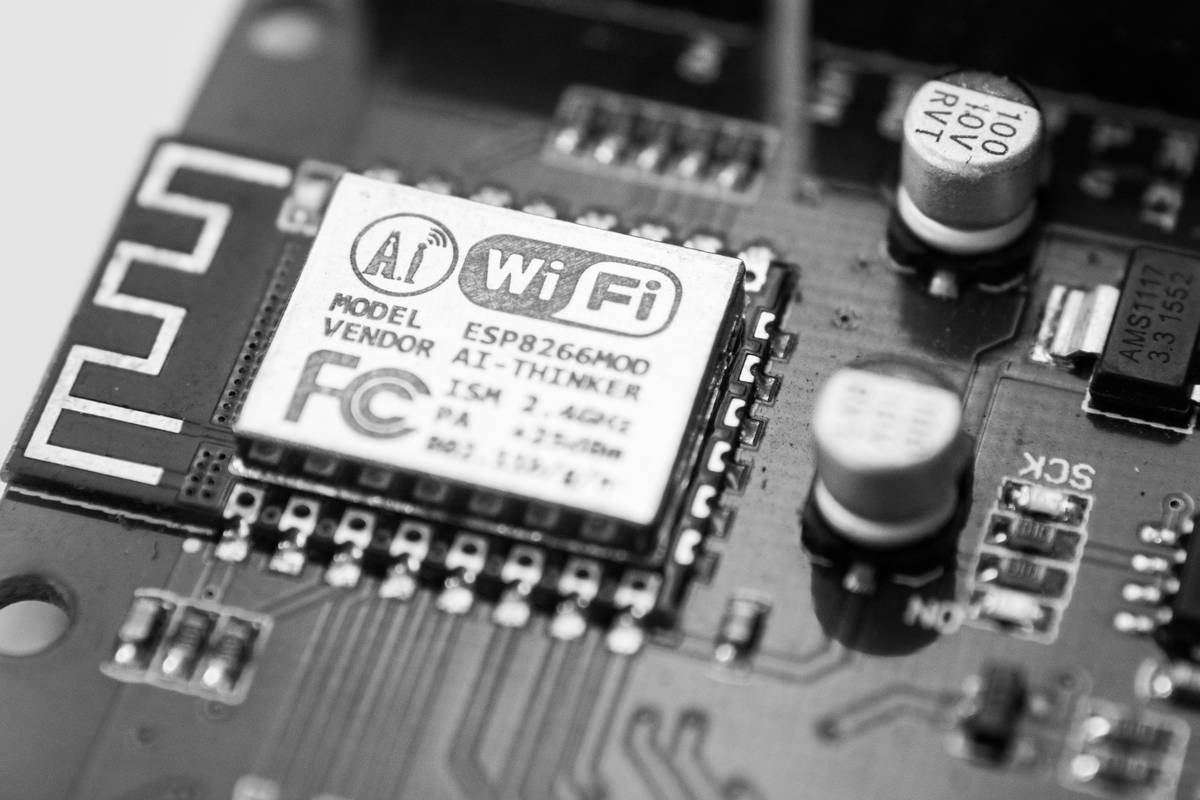
- Edge Devices: Environmental sensors (CO2, temp, humidity), RFID tags on lab kits, NFC-enabled student ID cards, or BLE beacons in lecture halls.
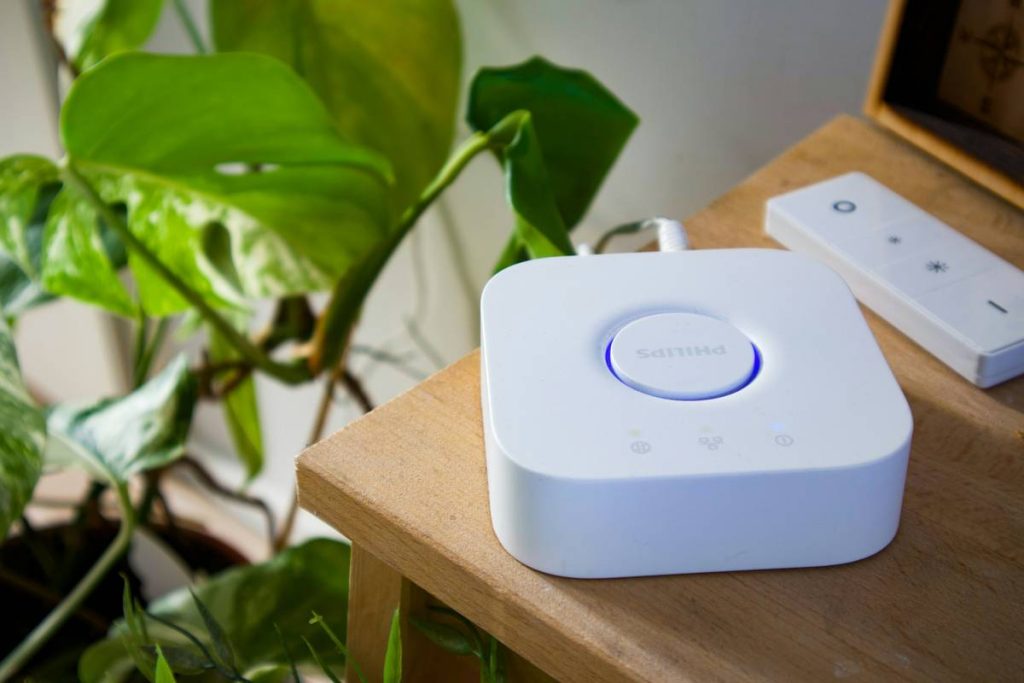
- Gateway: A local hub (Raspberry Pi 4 or industrial-grade router) running an MQTT broker to aggregate data securely.
- Cloud Analytics: Rules engine that triggers actions—e.g., “If CO2 > 1,000 ppm, notify facilities AND dim lights to encourage ventilation breaks.”
- User Interfaces: APIs feeding data into existing LMS (like Moodle or Canvas) so teachers see insights without switching tabs.
How do you avoid vendor lock-in?
Insist on open standards:
- Communication: MQTT over HTTP for low bandwidth
- Data format: JSON-LD for semantic interoperability
- Security: DTLS encryption + certificate-based device auth
Pro tip: Test with Eclipse Paho clients before committing to proprietary SDKs.
Who maintains this thing?
Assign a “IoT Steward”—not necessarily IT staff. At my last pilot school, the physics teacher managed sensors because she understood calibration drift better than anyone. Empower subject-matter experts, not just techies.
5 Non-Negotiable Best Practices for IoT in Education
These aren’t suggestions—they’re survival tactics:
- Prioritize privacy over personalization: Never collect biometric data without explicit parental consent. Anonymize MAC addresses from Wi-Fi trackers. (Yes, even for “engagement metrics.”)
- Design for offline resilience: 40% of rural schools have spotty internet (World Bank, 2022). Edge devices must cache data locally and sync when connectivity resumes.
- Use existing infrastructure: Leverage school Wi-Fi APs as BLE gateways instead of deploying new hardware. Cisco’s DNA Spaces already does this.
- Measure pedagogical ROI, not just uptime: Did IoT reduce teacher admin time by 5+ hours/week? Did lab accident reports drop? Track what matters.
- Kill zombie devices: Schedule automatic firmware updates and decommission old sensors. Nothing screams “untrustworthy” like a 2017 webcam still streaming in the chem lab.
Terrible Tip Alert: “Just buy the cheapest Arduino kits on Amazon!”
Yeah, because nothing says “secure student data” like $8 microcontrollers with hardcoded passwords.
Real-World Wins: Where IoT Actually Moved the Needle
Seoul National University – Adaptive Lighting for Focus
Problem: Students in windowless computer labs reported fatigue by 2 PM.
Solution: Installed circadian lighting controlled by occupancy + ambient light sensors.
Result: 22% improvement in afternoon coding task completion (per GitHub commit logs), per their 2023 internal study.
São Paulo Public Schools – Asset Tracking
Problem: 30% of science kits vanished yearly.
Solution: RFID tags on equipment + NFC check-in stations.
Result: Losses dropped to 4% in 8 months. Saved $180K annually—enough to hire two teaching assistants.
Rural Kenya Pilot – Offline IoT for Attendance
Problem: Manual roll calls took 15 mins/day/class; absenteeism went unnoticed for weeks.
Solution: Solar-powered fingerprint scanners storing data offline. Synced weekly via teacher’s smartphone.
Result: Early intervention reduced chronic absenteeism by 31% (UNICEF, 2022).
Smart Education System Using IoT: FAQs
Is a smart education system using IoT expensive?
Not necessarily. A basic pilot (20 sensors + Raspberry Pi gateway + open-source dashboard) costs under $500. Cloud costs scale with usage—many schools use AWS Free Tier initially.
How do you handle student data privacy?
Follow GDPR/COPPA strictly: anonymize data at collection, encrypt in transit/at rest, and never sell/share data. Tools like openHAB let you keep data on-premises.
Can IoT work with legacy LMS like Blackboard?
Yes, via LTI (Learning Tools Interoperability) integrations. Push IoT alerts as calendar events or gradebook comments—no full rebuild needed.
What’s the #1 mistake schools make?
Skipping change management. Teachers won’t use dashboards they didn’t help design. Co-create workflows with educators from day one.
Conclusion
A smart education system using IoT isn’t about turning classrooms into sci-fi sets—it’s about removing friction so teachers teach and students learn. When sensors automate attendance, when air quality alerts prevent asthma attacks, when lost lab kits self-report? That’s when IoT earns its place.
Start small. Solve one painful, measurable problem. Use open standards. Respect privacy like it’s oxygen. And for the love of Linus Torvalds, stop buying mood-sensing chairs.
Like a Tamagotchi, your smart classroom needs daily care—not just hype.
Sensors hum softly,
Data flows through quiet wires—
Learning, no longer bound.