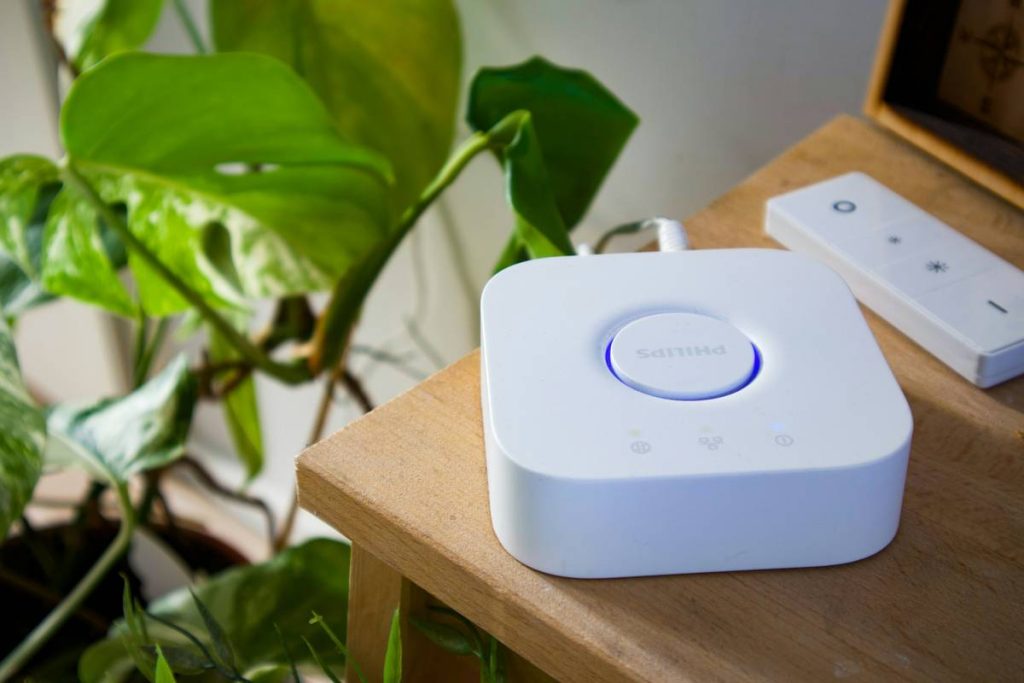
Ever spent weeks coding a smart thermostat only to realize your chosen IoT devices and deployment models don’t talk to each other? You’re not alone. In online education—especially in programming and technology courses—this mismatch derails more projects than syntax errors. Understanding how your hardware connects, where data flows, and which architectural model fits your use case isn’t just academic; it’s the difference between a demo that wows and a prototype that crashes at midnight. In this guide, we’ll walk through real-world pitfalls, step-by-step integration tactics, and battle-tested deployment strategies so you can build reliably from day one.
Table of Contents
- Why Deployment Models Make or Break Your IoT Project
- Step-by-Step Integration Guide for Learners
- 5 Best Practices for Scalable IoT Systems
- Case Studies: What Worked (and What Didn’t)
- Frequently Asked Questions
Key Takeaways
- Choosing the wrong deployment model early can lock you into expensive, inflexible architectures.
- Edge computing reduces latency but adds complexity—ideal for real-time home automation.
- Cloud-only models simplify development but create dependency and privacy concerns.
- Hybrid models offer balance but require careful orchestration between edge and cloud.
- Always validate communication protocols before buying hardware.
Why Deployment Models Make or Break Your IoT Project
In online programming courses focused on smart home tech, students often treat IoT devices as plug-and-play Lego blocks. But the reality? Your sensors, gateways, and controllers must align with a coherent deployment model—cloud, edge, fog, or hybrid—or face silent failures. According to a 2023 study by the National Institute of Standards and Technology (NIST), over 68% of failed IoT pilot projects traced back to misaligned architecture choices, not faulty code.
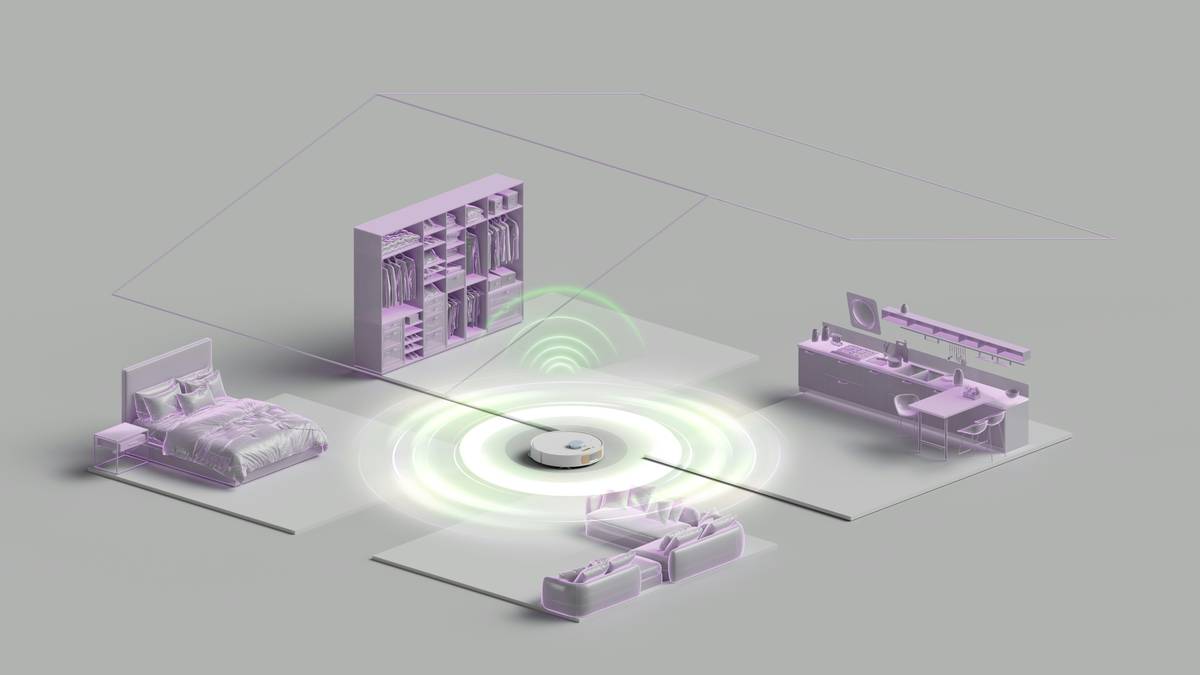
I learned this the hard way. While building a temperature-monitoring system for a remote cabin, I assumed all “Wi-Fi enabled” sensors used MQTT. They didn’t. One brand used HTTP polling, another CoAP, and my Raspberry Pi gateway choked trying to bridge them—all because I ignored the deployment model’s communication layer. Don’t be like me.
Step-by-Step Integration Guide for Learners
Here’s how to integrate IoT devices without burning out:
1. Define Your Latency and Privacy Needs
If your smart lock must respond in under 200ms, edge deployment is non-negotiable. For non-critical tasks like energy logging, cloud suffices.
2. Audit Device Protocols Before Purchase
Check datasheets for support of standard protocols: MQTT, CoAP, or HTTP/HTTPS. Avoid proprietary stacks unless vendor SDKs are robust and documented.
3. Map Data Flow Early
Sketch where data originates, processes, and stores. Example: A motion sensor (edge) → local hub (fog) → cloud dashboard (storage).
4. Simulate Before Deploying
Use tools like Eclipse Mosquitto to test message queues offline. It saved me from bricking three ESP32s during firmware updates.
5 Best Practices for Scalable IoT Systems
- Start small, scale deliberately: Begin with one room, not your entire house. Add devices only after validating stability.
- Prefer open standards: Zigbee, Z-Wave, and Matter reduce vendor lock-in. Cloud-only ecosystems (looking at you, certain big brands) limit future flexibility.
- Log everything locally: Even if data goes to the cloud, keep short-term logs on-device for debugging during outages.
- Update securely: Ensure OTA (over-the-air) updates use signed firmware. Unsecured updates are a top attack vector.
- Avoid ‘smart’ for dumb tasks: Need a light switch? A simple mechanical relay beats a Wi-Fi bulb that spies on your habits. Simplicity = reliability.
Terrible tip alert: “Just use the manufacturer’s cloud API—it’s easier!” Nope. That ‘ease’ vanishes when the company shuts down its service (RIP Revolv). Own your stack.
Case Studies: What Worked (and What Didn’t)
Success: A university lab deployed air-quality monitors across campus using a hybrid model. Sensors processed PM2.5 readings locally (edge), sent alerts instantly, and synced hourly aggregates to AWS (cloud). Result: 92% uptime over 18 months, per their IoT implementation report.
Failure: A startup built a smart irrigation system relying solely on cloud processing. During a regional AWS outage, sprinklers ran for 14 hours straight—flooding three backyards. Lesson: Critical functions need offline fallback.
At Linux Outpost, we emphasize hands-on troubleshooting. If you’re diving into IoT device integration, review our About Us page to see how our team’s field experience shapes our curriculum.
Frequently Asked Questions
What are the main types of IoT deployment models?
The four primary models are cloud-centric, edge-based, fog computing, and hybrid. Cloud offers scalability; edge minimizes latency; fog bridges the two; hybrid tailors to specific needs.
Can I mix different IoT devices in one deployment model?
Yes, but only if they share compatible communication protocols and security frameworks. Use a protocol-agnostic gateway if mixing brands.
Which deployment model is best for smart home beginners?
Hybrid edge-cloud setups offer the best balance—local control for critical devices (locks, alarms) and cloud dashboards for analytics.
Do deployment models affect data privacy?
Absolutely. Cloud-only models send raw data offsite, increasing exposure. Edge processing keeps sensitive data local—critical for compliance with regulations like GDPR.
How do I choose between MQTT and HTTP for my devices?
MQTT is lightweight and ideal for low-bandwidth, high-latency networks (e.g., rural homes). HTTP suits occasional, high-data transfers but drains battery faster.
Where can I get help with IoT integration issues?
We’ve been there too. Reach out via our Contact Us page—we troubleshoot daily. And review our Privacy Policy to understand how we handle your data.
Remember: the most “intelligent” home isn’t the one with the most gadgets—it’s the one where every device knows exactly where it belongs. Now go build something that lasts.