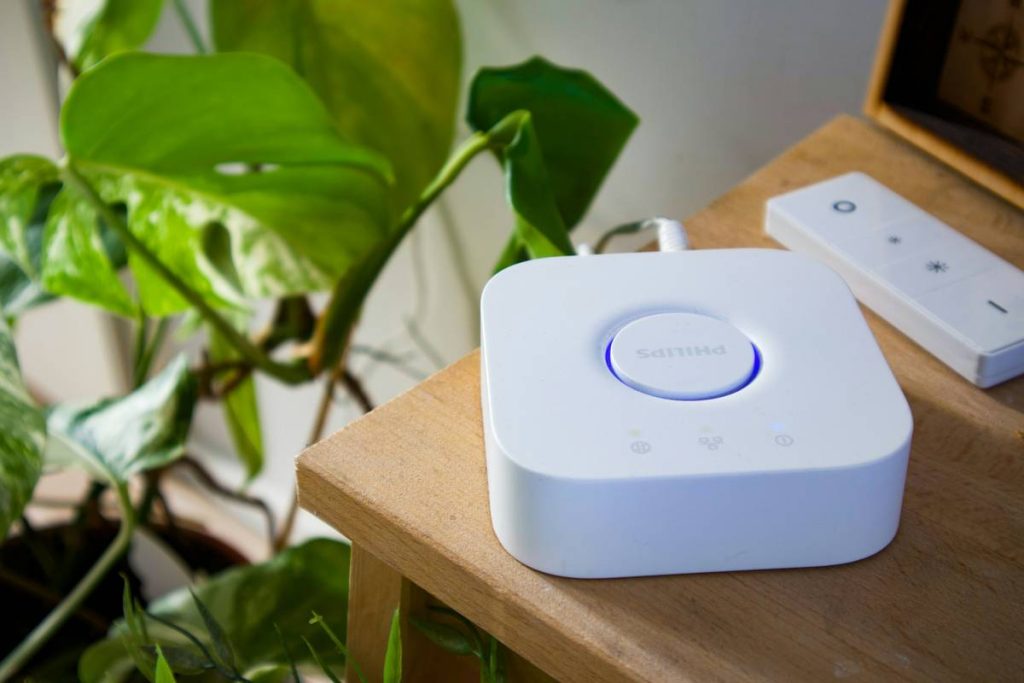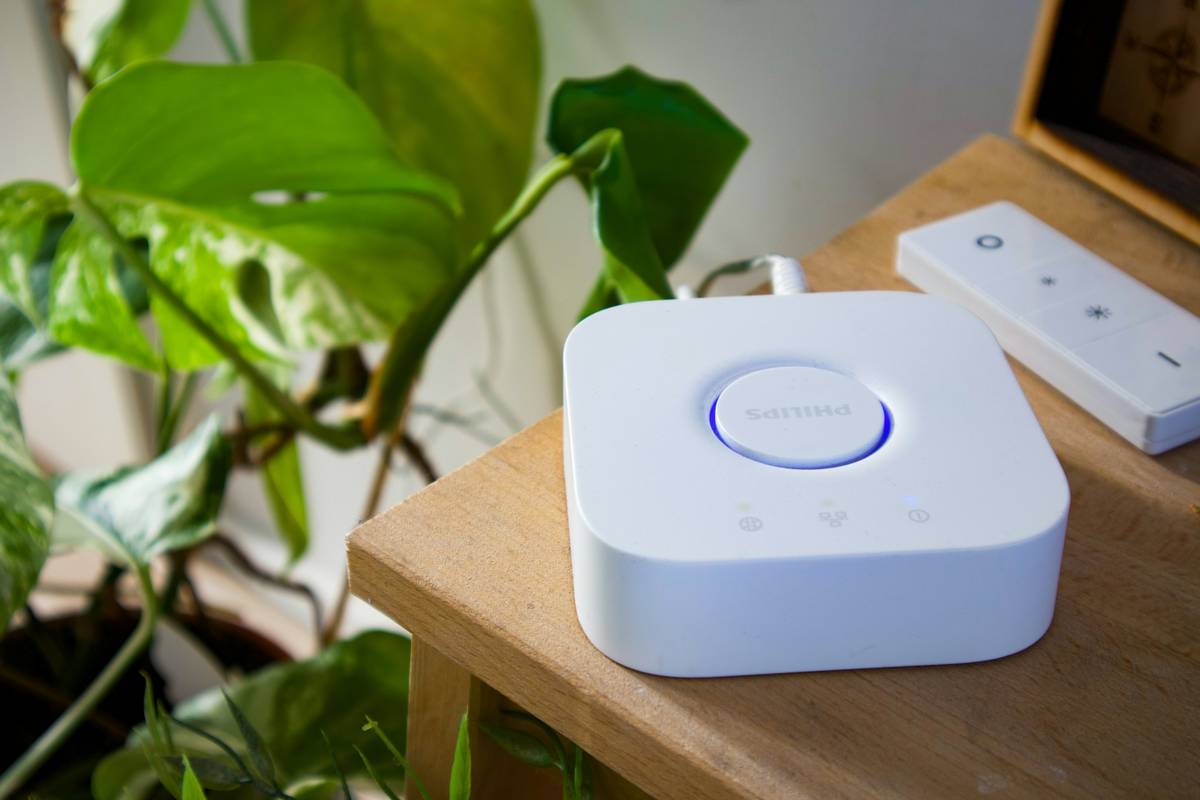
Your smart lights flicker at random. Your thermostat ignores schedules. You bought “smart” gear—but it feels dumber than your old dumb switch. That’s because most iot devices and applications are built to sell, not to integrate. They talk in silos. But what if you could stitch them together—without coding yourself into a corner?
The Core Problem: Fragmentation Masquerading as Innovation
Vendors hype interoperability—but ship proprietary protocols. Zigbee here, Z-Wave there, Wi-Fi everywhere. The result? A house full of islands. Each device works fine alone. Together? Chaos.
And it’s by design. Lock-in drives recurring revenue—cloud subscriptions, app exclusivity, firmware walls. Open standards like Matter help, but adoption is patchy. Meanwhile, DIY integrators waste weekends debugging YAML configs while manufacturers shrug.
How to Actually Integrate IoT Devices and Applications
Forget plug-and-pray. Real integration demands control. Here’s how to build a unified system that survives firmware updates and vendor meltdowns.
Pick a Local-First Hub
Avoid cloud-dependent platforms. Use Home Assistant (running on a Raspberry Pi or dedicated NUC) as your brain. It processes rules locally—no internet required for basic automation. Latency drops. Privacy improves. Reliability soars.
Standardize Your Transport Layer
Use Thread or Zigbee 3.0 where possible. Both support mesh networking and low power draw. Skip Bluetooth LE for whole-home coverage—it’s great for wearables, terrible for reliability beyond one room.
Abstract Device Logic with Templates
Never hardcode device names in automations. Instead, use entity groups and templated triggers. Change a bulb? Swap the device without rewriting every rule. This scales.

Compare Integration Approaches
| Method | Upfront Cost | Maintenance Effort | Vendor Lock-in Risk |
|---|---|---|---|
| Cloud Ecosystems (e.g., Alexa + Echo) | $150–$300 | Low | Very High |
| Proprietary Hubs (e.g., Samsung SmartThings) | $80–$120 | Medium | High |
| Local Open Source (e.g., Home Assistant) | $50–$150 | Medium-High (initially) | Negligible |
The Industry Secret: Most “Smart” Features Are Just Timers Wearing Fancy Hats
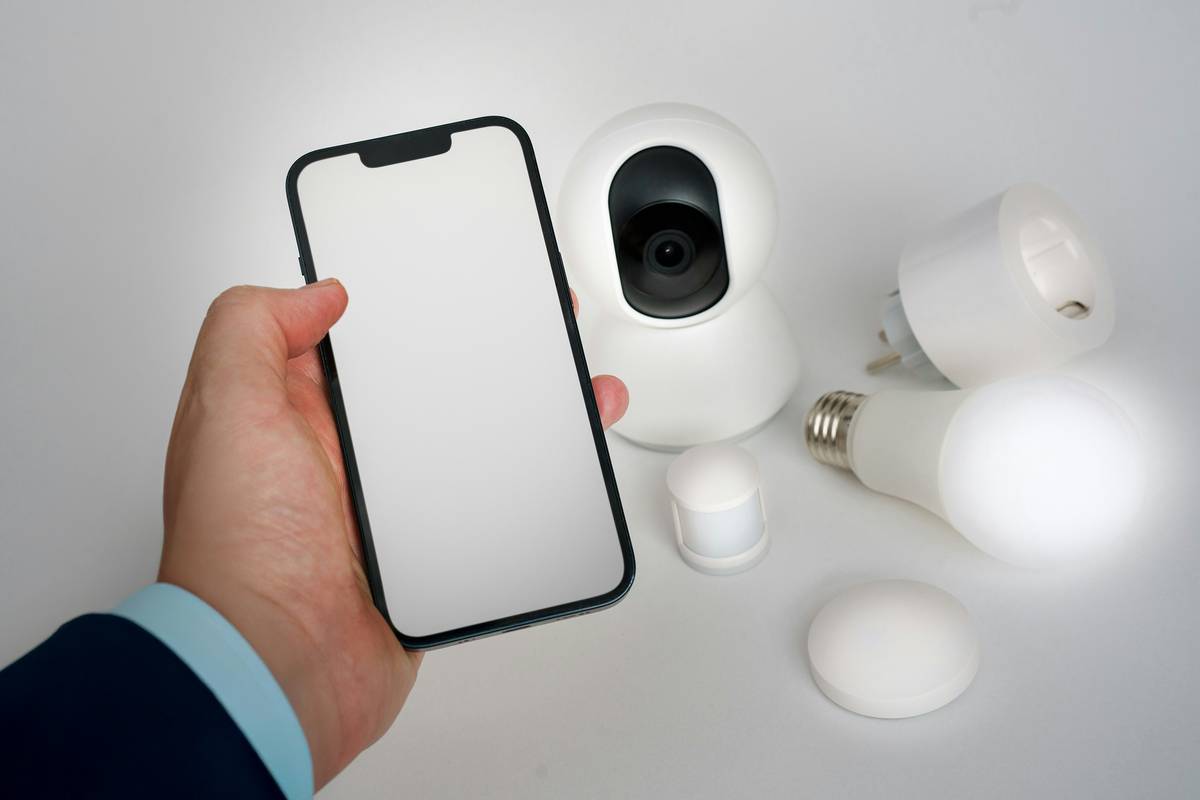
Here’s what vendors won’t tell you: 90% of automations are glorified cron jobs. “Turn on lights at sunset”? A scheduler. “Adjust temp when you leave”? Geofence + delay. The real intelligence isn’t in the device—it’s in the context layer you build around it.
But—and this is critical—most users never reach contextual awareness because their platform hides raw sensor data. Home Assistant exposes everything: battery levels, signal strength, last seen timestamps. That’s how you catch failing devices before they die. Proactive maintenance beats reactive panic.
Think about it: Would you trust a car that only told you “engine problem” without OBD-II codes? Yet we accept this daily in smart homes.
FAQ
Can I integrate IoT devices without coding?
Yes—but with limits. Platforms like Home Assistant offer visual editors (Blueprints). For true flexibility, minimal YAML is unavoidable. Start simple; automate one room first.
Are Matter-compatible devices future-proof?
Mostly. Matter runs over IP and uses open specs. But hardware longevity depends on manufacturer support. Choose brands with public update policies—not just “certified today.”
Do IoT devices slow down my Wi-Fi?
Wi-Fi-based devices can congest channels—especially cheap cameras. Offload sensors to Zigbee/Thread. Keep high-bandwidth gear (video doorbells) on a separate 5GHz SSID.